Coaches Rising Podcast
1X
Subscribe:

Trauma is any event that’s stressful enough to leave us feeling helpless, overwhelmed and often profoundly unsafe. Trauma exists on a spectrum; it is the most intense form of stress we can experience.
Trauma work has shifted over the last ten years from focusing on the event itself to the impact of the event on the nervous system, as not everyone who lives through a traumatic event will have post-traumatic symptoms in its aftermath.
As coaches therefore, we need to be dynamic in our approach to working with trauma. In addition, we need to know where the edge of our competence is so that we know when to refer the client out.
To be considered trauma-sensitive, our practice must include the following aspects:
As coaches, we need to ask ourselves how we can make sure that at a minimum we’re not causing harm. In order to do that we need to be able to recognize and respond effectively to trauma when it’s there.
Recognizing trauma symptoms means knowing the signs of a dysregulated nervous system and holding the question, is our work together leaving them more regulated or more dysregulated?
Recognizing trauma is dependent on being able to track your client’s nervous system within a session and over the course of multiple weeks of working together. One way of doing this is keeping in mind the car analogy; whether someone’s foot is on the accelerator (exhibiting hyperarousal; agitation) or on the break (exhibiting hypoarousal; dissociation).
In the moment itself we need to ask ourselves if we are able to support them. If we feel we can, we need to consider what might help the person get back into their comfort zone. We can do this via the breath or various somatic exercises and give the client resources, but making sure to stay within Phase 1 of trauma work;
Phase 1: safety and stability
Phase 2: processing traumatic memories
The main takeaway is, more is not better – encouraging a person to feel more is not helpful or responsible if we are not trained trauma professionals.
Resources Mentioned:
Pat Ogden
Dr. Dan Siegel
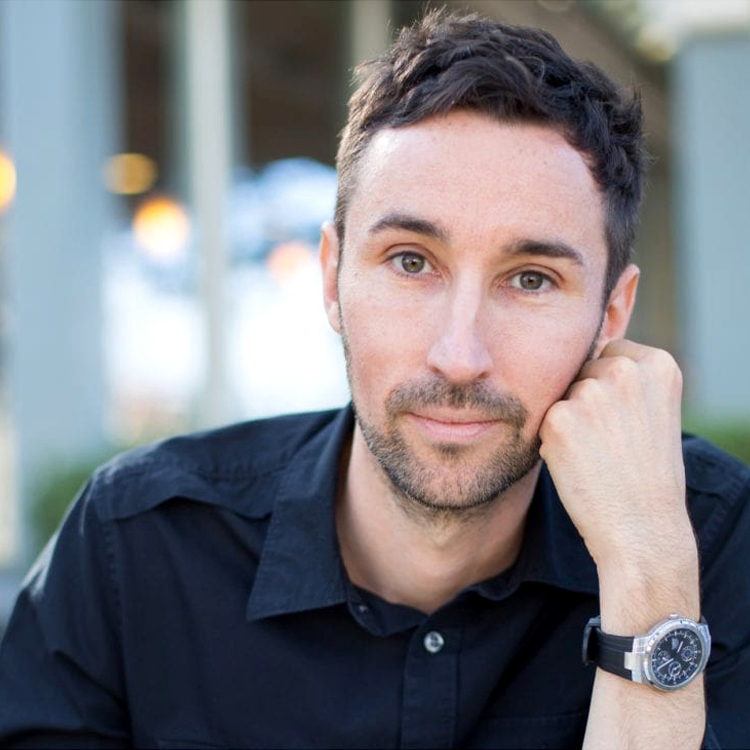
David Treleaven
David Treleaven, PhD, is a writer, educator, and trauma professional whose work focuses on the intersection of trauma, mindfulness, and social justice. Born in Toronto, Canada, he trained in counseling psychology at the University of British Columbia and received his doctorate in psychology from the California Institute of Integral Studies in San Francisco. He is author of the book Trauma-Sensitive Mindfulness: Practices for Safe and Transformative Healing.

Joel Monk
Joel Monk is a leadership coach, educator and entrepreneur. He co-founded Coaches Rising, a company on the cutting edge of online coach training with a community of over 65,000 coaches. Coaches Rising programs regularly include participants from every continent on the planet and they have collaborated with some of the leading minds in the field of human development and coaching. Joel is also a leadership coach, coaching at companies such as THNK, Booking.com, Siemens and Naspers. Joel has designed and led several entrepreneurial and leadership development programs, at places such as Socionext, THNK and The Impact Hub Amsterdam.