1X
Subscribe:

01:00 Introducing Dave
02:20 From counterintelligence to coaching
10:20 Releasing change agendas & allowing emergence
14:25 Learning a new way of navigating
22:25 Fostering subtle sensing
28:25 Working with the imaginal realm
35:25 Including dreamwork and imagination work
41:20 Guiding leaders into deeper levels of sensemaking
48:00 Leveraging leaders’ humility
50:50 The dance of unfoldment
55:20 Staying in the question
1:01:20 Is scaling impact possible
1:08:50 The capacity to stay in the unknown
1:14:00 What does “work” mean
1:17:45 Who the Pivot is for
Resources Mentioned:
New Ventures West
Ken Wilber
Findhorn
Stephen Busby
Aletheia
Steve March
Hospicing Modernity, by Vanessa Machado De Oliveira
Joel Monk: [00:00:23] All right, here we go. Welcome Dave to the Coaches Rising podcast. I am really excited for our conversation today for many reasons. How are you first of all?
Dave Schoof: [00:00:34] Yeah, thank you. I'm excited too. I think there's a part of a little bit of anxiety because this matters to me and excitement living side by side, but they feel the same in the stomach.
Joel Monk: [00:00:45] Well, we share many passions, imaginal work, Aletheia coaching and the emergent conversations. So I think I think this is going to be awesome. Let me read out your bio first and then I'll dive in with the first question. So Dave Schoof spent 19 years in U.S. counterintelligence before becoming an executive coach that's something we're going to talk about today, that link before, so he's an executive coach and a leadership consultant and he's worked globally now for over 30 years with leaders of the 500 largest U.S. companies by revenue and served on certification panels at international [00:01:29] And that asks not what's wrong, but what's trying to emerge and we've explored this topic as well. I think we're on our podcast and we're going to get into that. Why that's important today?
Joel Monk: And so we're going to talk about the metacrisis, which Dave is really an expert and thought leader in. He's a long time practitioner and student of deep and expanded states of consciousness, a meditator, retreat leader, and certified psychedelic integration coach. He also hosts The Pivot podcast and lives near Lausanne, Switzerland. [00:02:02] I think that's how you pronounce it. Is it? Yeah, very good. Lausanne.
Joel Monk: Yeah.
Dave Schoof: [00:02:06] Yeah.
Joel Monk: [00:02:06] Right on. So let's dive in with a question that really fascinates me first, Dave, which is, you know, you worked 19 years in U.S. counterintelligence. Could you say a little bit about what you did? And really, what was the major thing you took away from those years that you apply in your coaching? How did it impact you as a coach?
Dave Schoof: [00:02:28] Yeah, it's a great question. I've had to think about it. And my response has emerged because it's pretty rich over the years. So first of all, counterintelligence. So the mission of counterintelligence is the opposite. It's a protective move. It's to protect people, national security, from compromise from other nations trying to penetrate. So I was in that kind of work, at the height of the Cold War.
Dave Schoof: And then the transition out of the Cold War into counterterrorism, non-nuclear proliferation, things like that. [00:03:03] I think it's so interesting looking back. You know, at the time, I would have said my career path was like a play to spaghetti thrown on the wall. It just made no sense. But now there's kind of like this elegant thread that I can see even going back to childhood. And I think what really served me well then and then continued in the coaching was, first of all, this curiosity, what it means to be human like like that was the variable in intelligence work that was the most unknown right situational awareness uh paying attention to what wasn't being said uh the spaces between things all of that was kind of on the ground training of I think capacities we already have but we kind of forget or they get blocked so it was enhanced it was heightened and
Dave Schoof: The shift to coaching actually occurred when I was still in that profession, because I started seeing things I didn't understand. [00:04:01] More on the management side than the operational side. For example, I remember young in my career we were going happy hours and you know what you're doing a happy hours you've complained about your boss, right? So we would all complain about our bosses and we would all make these blood oaths like when we're promoted by God, we're not going to do the same thing, you know. I did the same promises at the Father, by the way. I would never say this thing to my kid that I heard. and sure enough, we would do exactly the same thing. Or a member, a team member that kind of deep down wanted to disappear at some point, like move on.
Dave Schoof: And they finally would. And then within three months, the replacement was doing the same thing. So I was like, what is that? The system wins, kind of. So I became a student of systems. And that inevitably, you know, now it looks, it makes total sense. I discovered coaching or coaching to discovered me. back in that day coaching was brand new.
Dave Schoof: It wasn't well understood, even. So the skills that came, those capacities, I think, served me well and then finding really good coaching schools in those early days that were integrally informed, you know, really understand the systems aspect and the holistic approach. [00:05:16] I took to it, you know, the same kind of investigative It almost flipped. It wasn't about digging to find something to protect. It was to discover. So I felt pretty well equipped from the kind of the skill set coming in that started. And then I realized how much I didn't know and needed to learn.
Joel Monk: [00:05:41] What year was that when you got into coaching, you said it was the early days. Do you remember? Was it 1998, 1996?
Dave Schoof: [00:05:46] Yeah. really early. I mean those days you had to explain, you know, coaching didn't involve a cap and a whistle. And I along with five colleagues, six colleagues, were the first through one of the big three coaching schools then, New Ventures West, [00:06:08] that was in the U.S. government and then a smaller subset in the intelligence community. And because we had clearances, because I was a career professional, I was able to access and work with people in very sensitive positions and do a very deep work. You know, and I had this idealism when I graduated and was certified, I wanted to go out in the world, and I wanted to work with enlightened companies and enlightened people. That sounded sexy and fun, but I realized that wasn't my path.
Dave Schoof: I needed to go kind of back into the belly of the beast and work in some of the hardest places. And I'm really grateful for that because I think it, I got a seasoning that I wouldn't have gotten otherwise.
Joel Monk: [00:06:52] When you say the hardest places, could you, what do you mean by that, that's not, you know, curious. Yeah.
Dave Schoof: [00:06:57] Yeah. Thank you. You know, kind of where the cynicism is high or the, like, in the case of intelligence community, the mission is so compelling. [00:07:05] And, you know, when missions are compelling, and I knew this in myself is a leader. There's kind of a sweet spot that you hit as a leader, where strong mission, the team comes together. You, you know, you're driving forward. You're out to save the world. But this happens also in family run businesses, by the way.
Dave Schoof: The mission is so compelling or so important. All of a sudden, you don't want to harm the relationships. You don't have the honest conversations. There is undiscusables, things under the table that start emerging. So those were really hard. The other aspect of it is because it was so consuming burnout. We didn't even know what that was then, but it was burnout. cynicism, harm to family life, marriages, alcoholism, you know, those were a hard place to work in, and to create enough space, even to do exploration, or to be honest, to let the guard down, you know, when you're so fortified, to be able to do your work, there's a compartmentation, a dissociation that is almost like inherent in the work.
Joel Monk: [00:08:16] Well, did you coach people in the counterintelligence community in all all aspects of intelligence?
Dave Schoof: [00:08:24] I was able to be exposed to that and senior leaders, policy makers, and then by extension into other government agencies. So it was an early day. I had very little exposure to the private sector. So when I eventually left the government and went out of my own, I needed to get smart and actually know if I had any credibility, because it was such a specialized arcane world did I have credibility. And it took a while to, I worked in a couple of consulting firms. And it was really for myself to really be true to myself. [00:09:01] Like, oh, yeah, no, I do have something to offer. You know, I don't need to be a subject matter expert in the field of the client's world.
Dave Schoof: I need to be a subject matter expert in what we would have called back then human development. Things like that.
Joel Monk: [00:09:17] Because you're so experienced in coaching and working with leaders, I'm just fascinated to learn from you. I'm wondering, what would you tell your younger self, who was starting out as a coach? Now you've got all this experience, you've worked both in counterintelligence coaching people and businesses, and all you're also work now, also with people who have very deep Is there is there anything you would tell your younger self like advice or
Dave Schoof: [00:09:45] yeah I like that a lot um don't work so hard and what I mean by that is in the early days of coaching my my sincere desire I would have called it a mission of calling I was passionate about helping people achieve their goals win success fully self-actualize [00:10:15] feeling of responsibility that actually isn't mine, and then underneath that, you know, feeling this burden of designing the perfect practice, the perfect coaching program, am I doing it right, and just piling on? layers and layers that were kind of dimming out my own instrument, myself as instrument. And my advice would have been, you know, I wish I had the approach that you and I share so much earlier. And that is the not having a change agenda, the arrogance of the art of unfoldment. And I think what I would give my younger self is the metaphor I use a lot today, is the quote that's been attributed to Michelangelo, that the statue of David was already in the marble, and that his job was just to chip away the marble that wasn't David. [00:11:10] And that popped for me, it changed my stance as a coach,
Dave Schoof: to see the, you know, the beauty and the fullness and the wholeness and a human and that there's a remembering that needs to happen and an unblocking, and chipping away changes change everything for the approach so if I could transmit that back in time it would have saved a lot of angst. for both me and the client, for sure.
Joel Monk: [00:11:36] And do you think, you know, because I've seen this in myself on others that part of that journey was, you know, yeah, a coach wants to be valuable. They want to be able to support the client to make change. And so I can imagine part of it is maturing yourself to free yourself from those parts of you.
Dave Schoof: [00:11:55] absolutely I needed to do my own work and and and it wasn't that I wasn't doing my own work but there was something around the like the the and I saw it myself and I saw it my colleagues and in some of the aspects I think that kind of the shadow of the industry at the time there was always this like insufficiency like there's one more framework there's one more certification there's one more mastery I must do and then I'll be a coach you know [00:12:25] Then I got to see how I did that in my own life. You know, I did that as a father. I did that as a husband. I did that in my relationship to life and to myself. So that journey, that exploration, it had some solo aspects to it. You know, I kind of the long night of the soul or the, you know, the hero's journey kind of thing. But what was new and critical was the, not doing this alone, being in a community.
Dave Schoof: the relational spaces, the intelligence that starts to emerge that I start to discover in relational space. [00:13:00] I needed to go through those. I don't think there's a shortcut.
Joel Monk: [00:13:08] I think you're bringing in some important ideas that we will flesh out like the difference between change paradigms and unfoldment paradigms you've mentioned and a lot of coaching or personal development is still rooted in a self-improvement paradigm. So I think we'll unpack those further. I think it's a good way to kind of segue to, you know, one of the quotes I read on your website was I don't have a map for this moment. You're actually mentioning, you know, there was a part of you that wanted to accumulate maps in a way like, well, if I just get that next. tool or that next thing, that'll solve it. So your quote was like, I don't have a map for this moment. Nobody does and you've, you've said how you've noticed leaders like there was this, you know, a break where the old ways of doing things just seemed to no longer work. [00:14:03] I think a lot of people will relate to that.
Joel Monk: So yeah, could you say why you wrote that quote and what you're noticing in our time?
Dave Schoof: [00:14:11] Sure with pleasure. it's close to me. I started getting an inkling of this during the pandemic, you know, like, I was starting to hear behind the typical presenting issues and topics for coaching and anxiety, kind of an existential anxiety, an uncertainty. And I got really curious about that. I was feeling I started tracking it. I actually was inspired by Ken Wilber who had mapped out all the wisdom traditions and all the work of development. And I did the same with my clients.
Dave Schoof: I mapped out all the client issues and I started pulling themes. And there was this thing I came to call the Disquiet that It's like, what used to work is not working, and yet we're hard-wired to kind of like, use what we've done before, you know, the best practices, the formula, the template, and they're not working. [00:15:11] And both almost in parallel my own exploration as well as exploring with clients, I started realizing there aren't any maps. I think, and in coaching, that became super that the world we're in now is changing so fast. And if you look at it through the integral lens, you might say there's a lot of disintegration going on so that the new can emerge. And so there needs to be space for not just doing what was always done before, or I would even take it one step further, not tapping the rational, high cognitive problem solving.
Dave Schoof: So I started where that quote emerged is, are the intervention isn't the map. We don't need a new map. We need to learn new navigation. [00:16:03] I guess the navigation metaphor really resonated with me for this. So that's kind of the the genesis and I'm I'm aware that there's a lot behind this that could start coming through. So let me pause and and see what your spot. What lands for you.
Joel Monk: [00:16:20] Well, I think we can talk about what the invitation is instead of holding a map, but what yeah, I'm just curious. You said there's a long kindness. I'm aware of what's your sense of of is there something that it wants to be named, you know.
Dave Schoof: [00:16:41] I think it's more than momentum. I think it's not so much something we named. It's like when you touch something like an acupressure point, there's a reverberation. And I think this happens to me a lot these days. When we're tapping into it, it just seems to be tapping into. I don't seem to have to say many words these days to translate. [00:17:02] Like people start nodding their head, they get it. It could be at the level of just
Dave Schoof: Every Tuesday when I go to the supermarket, it's a whole new game, you know, like what's it, what's not available and what I have to pay for it or at the gas pump or, you know, the summer we're just kind of recovering from in Europe where everything is on fire, you don't have to go far to see we're in new territory. And it's a layering of it, a level of complexity that we, I propose, we have an engaged before. I think what's behind that is excitement and optimism. So, you know, I'm not one of these doom scrollers. I'm not, if you go on my website, you're not gonna see, yeah, we're in the end of times. We're in between something. Yeah, maybe we won't make it, but that's always been true. But I'm starting to see people at the edges already living kind of like an emergent future, doing some really cool stuff.
Dave Schoof: [00:18:08] Like I was just having a conversation with someone in Germany, young people came to a retreat that I was in in their 20s. And the level and sophistication of their awareness, their consciousness, gloomy and just gloomy apart, I was amazed. So I'm excited, I'm optimistic. And how to help those not only just navigate this, but actually thrive, it really became clear that's the call I'm responding to. Yeah, that's what was all behind here.
Joel Monk: [00:18:41] What do you see in those, I can relate to that. I was at a festival, which was about conscious relating. And some of the young people there just pull home your way, isn't it amazing? Yeah, part of me is like, envious, a little like this. Yeah, okay, if I was where you were when I was 25, like, exactly. But at the same time, it just very touched to see what they're, [00:19:05] orienting towards. And what was it in these young people that you saw that taps into how you this optimism and how we're being invited to navigate our times?
Dave Schoof: [00:19:17] Yeah. There's an openness and a degree of curiosity that is very potent and experimentation. What's interesting and what I'm learning from them is, and I think it's highly relevant in this time, is not just talking about the big meta stuff or the failure of the systems or the government or society. There's that to be sure, right? But then it's like, okay, now what are we gonna do? And it seems to be very community oriented, small pockets. This is why I'm excited about relational spaces, relational intelligence, you know. [00:20:01] I know you've been around for a while and in my early days of seeing the experiments of living together, new ways, new hierarchies or different hierarchies, circling all these were the pioneering but there's an evolution that's going on.
Dave Schoof: There's something new I think emerging that's quite sophisticated and it's changing our focus. It's like, what's in my neighborhood? What's here? How can I touch? Very tribal and yet quite sophisticated. So there's as both this kind of new emergent evolution kind of thing and very bold, arch-type. So it's an interesting blend, but that's that's what I'm discovering. And then inside of that, some very thoughtful forward thinking that are taking on some of the institutions like education, how we educate.
Dave Schoof: They see that as a critical lever for
Joel Monk: [00:20:58] and you mention community and being in relationship practices like circling and navigating our times and you know we've said as opposed to like best practice and maps. [00:21:09] So could you say a little bit more about what are the kinds of practices that are supporting us to navigate these times. I know you just came back from a leadership leading a leadership degree in Malaysia and you're often doing that round the world. Do you, yeah, what kind of practices are actually helping people lead and navigate these times?
Dave Schoof: [00:21:33] Yeah, and I think I think coming from that stance of remembering, so it's not about, you know, magically helping train you to have a new talent. There is a remembering of what was already there that's been covered up, I'm discovering. So when we start working and I've done a lot of work in kind of edgy group explorations of consciousness and this is where a lot of my learning has come from. [00:22:04] experientially, and then kind of trying to translate that into how can I support increasing the capabilities in someone, and some of these practices won't seem all that esoteric, you know, it really is, you know, kind of, how can I share the awareness of what's going on, like even between you and me right now, you know, what's my internal system in state? of what anchors me. Where do I feel my best of me? What am I getting a sense from you? And it may be a hypothesis because I can't mind read.
Dave Schoof: But what am I getting from you? And then there's something between us. And you know, we're in geographically different places in a digital platform and yet with a little bit of practice, you can start feeling something. Like when we first started talking before the taping, there was a sparkiness in the field between us. So it's sort of like, my memory is like when I learned to write a bike when I was a kid, once I got balanced, I had it. [00:23:05] And I can't lose that sense of balance. And it's like once you get a taste of it, you start going, oh yeah, there it is. And I can still, you know, be cognitively thinking, responding to your questions, wondering how I can serve, be aware of me, be aware of you, to the sense that I get and then pay an attention to this.
Dave Schoof: And this space, this field, I'm finding this is where the creativity starts barking. So something could emerge or even brainstorm together, right? There's like a third party, if you will. So the practice is that facilitate that. You know, first slowing down, you know, deconstructing a little bit, building some, some safe places to practice this. And then slowly increasing it, you know, and it can get pretty sophisticated or esoteric in short order. So having a container to explore it,
Dave Schoof: [00:24:02] with fellow minded is I think very important because it can it starts getting a little wild as some of our constructs get a little bit thinner and looser and you know there's more of an open-handed in this I would you know willingness to breathe into it and explore the frontier the edges of it. Is that getting to your question?
Joel Monk: [00:24:24] It is, yeah, I'm thinking of, it sounds like the importance of our embodiment. You know, if I think about many of the conversations we've had, there's been a kind of naming and an honouring of modernity's privileging of, you know, rationality and kind of analyzing things into parts, breaking things down, and the scientific revolution that emerged out of that, but also naming the limitations of that in complex environments and in the metacrisis. You know, with his ideas of participatory consciousness and how, you know, that's only one aspect of it. [00:25:05] So it seems like there's this move for us to embrace the intelligence of our embodiment and aliveness. in order to be able to access a deeper or a wider spectrum of knowing and intelligence, which is not just located within us, but it's shared. But you know, you said that gets wild. It's like it can also, it's a practice.
Joel Monk: It can blow out our nervous systems if we're not used to it. But I see more and more people
Dave Schoof: [00:25:43] I love how you bring in, you know, this is integral in a way, right? This is including and transcendent, and not even the word transcendent for me. You know, where The Pivot came from is, it's, I'm not asking people to walk away from their success maps or their capabilities or their intellect, you know, and their wisdom and their experience, but like this 45 degree shift, not 180. [00:26:07] where it's still there, but we're now starting to make room for something else, you know, what you and I would call the emergent or the imaginal, you know, and I do, I love talking about modernity and postmodernity, you know, and some of the, some of the challenges we got, we don't need any more rational. That's gotten, you know, it's kind of gotten in the story where we are when it's only rational. We still need the rational, but we need to make space for the
Joel Monk: [00:26:37] Yeah, could you say more about the capacities? So I've heard you say like the rational mind got us here, it won't get us where we need to go. And another quote I loved on your site was you're operating on a fraction of your creative bandwidth. So yeah, what role is the, what is the imaginable and what role is that playing in this process of emergence and kind of creative generative collaboration?
Dave Schoof: [00:27:08] It's a big one. It's a big one in my own, I think my own discovery of it was significant for me. Like I said a couple of years back, I started working with experimental groups based in Findhorn, Scotland and a man called Stephen Busby. And as we were exploring deeper and deeper states of consciousness, were tapping into this, right? So I saw the potential. And then I had my first kind of like plant medicine found me, so I had my first real psychedelic that wasn't for entertainment purposes. And it was such an accelerant of that.
Dave Schoof: And I immediately saw the possibility, first of all, for my own journey. It was very transformative. I saw the potentiality for working with people at the time was really at where our leaders of kind of loosening some of those grips, kind of chipping away that marble in becoming smart on how to work with it, both with plant medicines, but also with tree work. [00:28:10] I started seeing what could accomplish in just a few coaching sessions, not like that was the agenda, but I was amazed at the opening and the capacity building and the coming home kind of thing that was happening in my clients. was so much faster, so much beyond anything I could, I could have imagined. So I became very excited. And at the same time, we were learning more and more in the world about the therapeutic benefits of these approaches.
Dave Schoof: But not much was being done in the world around leadership or coaching or exploration. So I guess the explorer found another place to go and learned and experiment and work with.
Joel Monk: [00:28:52] And work with amazing people. And so are you talking there about that you had clients who were doing psychodelic doing psychedelic kind of experiences and then you were working it with integration with them or is this more like in the imaginal practices you were doing.
Dave Schoof: [00:29:12] but they were having not feeling of coming home as well both both and and and what I was quickly learning is you didn't need to have the plant medicine experience to do this so it is a great adjunct or amplifier just like holotropic breathing, just like other modalities. But the essence of this is what was really capturing my interest. And you used a word that's critical for me in all of this, and that's the integration. So it's not the experience itself. Peak-state experience, or starting the practices, it's what do we do with it? How do we integrate it? How do we leverage the
Dave Schoof: the neuroplasticity window after an experience like that, and that's where it became interesting. [00:30:01] That's where my love of coaching went to a home of their level because the ongoing support, that's what was new in the field, by the way, you know, when I started looking at this, it wasn't a whole lot around that. So being able to bring the background that we have in coaching to that, really was a major contribution to people being able to experience something and then a lot of times it was a shedding away experience, not just a new experience, but then what changes do they want to make in their life and support of that? And that's where the coaching came in, you know?
Joel Monk: [00:30:37] I think it's the worth saying a little bit more about what the imaginal is and how you work with
Dave Schoof: [00:30:47] Yeah, I'm not sure. I know completely. I don't have a tight definition for you. I think it's easier to contrast it to the hyperrational, you know, the logic, the known, the linearity, the sense making of our reality. [00:31:04] But that's such a narrow scope, you know, and we know this when we start, you know, looking at dreams or liminal spaces, peak states like I was saying like with ecstatic dance or holotropic breathing doesn't have to just be psychedelics. But we start realizing there's a whole bandwidth. It's like, how dogs can hear something we can't hear. All of a sudden, our understanding of reality is shaken.
Dave Schoof: And that's not always a pleasant experience. But it's a profound experience. And then what does it mean our relationship in the world? And what does it mean to be human? And what is this experiment? So the imaginal literally imagination. Don't quite remember how to access this. We'll start with imagination, play, creativity, exercises, very simple, nothing revolutionary, but it's kind of loosening the muscles.
Dave Schoof: [00:32:03] And then it starts, when you start trusting what's showing up on your radars, not just your intellect, but your heart, space, in your gut, the relational space, those different intelligence, when they start coming online, You know, I think I'm like most people, I need to see some proof that there was something here, but then it would happen and it's like, cool, let me play with this some more. And that's when it becomes fun. And doing it with like-minded explorers, again, I think is quite critical. I think doing this alone, why I have tremendous respect for anyone taking this on, I think there's a limited, capability. You'll hit a wall at some point. And then I think you need fellow explorers in support and mirroring and helping each other with this kind of remembering that I speak to.
Joel Monk: [00:32:56] I just love to reflect. I love this topic because [00:33:02] I've been working with the imaginal. We both, I think, were also in Aletheia expanded states training, which is, I agree with what you're saying that integration is often the weaker side of psychedelic retreats as well. So, what? couple of things struck me like one is the potency of this work like you're saying and you know I was just this retreat I was just on where we were doing kind of deity yoga it was deity yoga workshop that was one of the ones I went to and the guy asked you know is there an archetype or an energy you want to work with and I came up with the king you know and so when we sat in meditation He said, you know, it may be, it may or may not be the one you chose that comes up. And of course, what came up for me was radically different than the king.
Joel Monk: And it was something much more exciting and a live and unexpected and incredibly meaningful. [00:34:00] And so. I've found I've been blown away by how there is an intelligence to the imaginal and it's it's it's it's not like you're controlling it you're not making these symbols these images you know the dreams you have you're not making them show up there's there is they're coming from a certain place and the other thing is the inherently, I know you said it can be destabilizing, that's very true, but mostly I'm talking about dream work and guided a marginal work. I found it to be incredibly, how could I put this like healing, like I come out of those experiences feeling deeply integrated and there's a extremely high level of well-being and I've had what I would call peak life experiences, from being guided through dreams I had, which was just blew me away. They were more psychedelic than psychedelic experiences I had.
Dave Schoof: [00:34:55] Totally. I feel excitement just listening to you and the experience isn't it cool because like there's this sense of fullness. [00:35:04] Like, I remember writing my journey, journal, like a sense of daveness that wasn't there before, like, like, maybe a meter beyond the skin boundary, you know, like, here I am, you know? And it's quite pulling it, too. I find it can be very emotional. And there's a bittersweetness sometimes. I find it at companies it for me, like homecoming, home sickness, you know, those kinds of feelings. You know, I'm so grateful for Alicia and the, you know, pretty cool, pretty esoteric approach to dream work.
Dave Schoof: You know, young and approaches are terrific, not absolutely great. This is different. And the experiences I started having with the dream work approaches, like with a client, it's like we both were back in that dream. [00:36:00] you know, and that translated very well to the integration work with not just dreams, but then was psychedelics or any other experience like that. And then I don't know, I'd love to hear what your experience has been, but the ability to kind of recall it or go back into it, not as a memory, but like as I felt since, it may be a music track or the smell of something that you invoke it, you know, you set an intentionality. And all of a sudden there's aspects of it that are alive again. I've had some dreams that I had, you know, like a year ago that in working with someone in the approach that we talk about, it's very alive, it's current. Have you ever had that experience?
Joel Monk: [00:36:40] I'm glad you bring that up because it grounds it in that part of, well, that is very, it's very practical as well. So it's not just that you work with a dream and it's nice and you have a great experience. But I found that it opened up energy centers in my body. [00:37:00] That was one thing I noticed. I noticed that when working with dreams certain, yeah, archetypes or images would appear, that I would become, and then it was as if I was inhabiting those as I walked around in my daily life. in a sense. I mean, that sounds a bit crazy, but it was still the qualities of those experiences stayed with me, you know, in a beneficial, helpful way. So it's not, it's, it, they felt very initiatory.
Joel Monk: They're not just like nice experiences to have, but they were key parts of my journey of Yeah. Yeah, like wayfinding.
Dave Schoof: [00:37:43] Yeah. I like that. I like that a lot. And what's emerging here right now is the, you know, you said the practicality of this and I think this is an important. I think this is part of what my contribution, my calling is, I love, maybe it's the code breaking. I don't know, but I love taking the esoteric and making it very approachable. [00:38:04] And this work has been a lot of fun to do, and it's really cool when you have a classic high achievement oriented leader. his eyes getting really big as he's starting to see something like all of a sudden his bandwidth expanded because of the the dream work and then being able to actually tap into liminal you know as a resource you know and then having the excitement when they come back to session like you know I was picking up stuff in the room like I was able to read the room like I've never been able to read before.
Dave Schoof: And I held it loosely, like you said, I didn't make it diagnostic. I held it as a possibility. And in his home would say something that, like, I had that sense, it was coming in on the excitement and the exuberance in it. That keeps me playing.
Joel Monk: [00:38:53] that kind of tease up my next question which was to ask you about doing this work with leaders. [00:39:00] You know, you've mentioned this kind of shift we're in where a lot of leaders are feeling, you know, like just getting another map and best practices and trying to overlay that on the complex. You have the moment doesn't seem to be working. and as high achiever leaders, how do you bring this work in, how do you find leaders are taking to, you know, this more emergent work that's embodied about sensing, also including the imaginal, these, you know, symbolic or imagination kind of based territories. Do you find leaders
Dave Schoof: [00:39:42] My particular approach, I'm very sensitive to their world view, their current world view, is a function of all their successes in life such that they see this and it's problematic. I'm not rushing in with languageing that's beyond that or concepts that are beyond that. [00:40:02] So if I came in and just shared, you and I are talking about it with certain clients, it would be too unreachable. There would be no resonance, right? So I think part of it is, And I think this is where the unfoldment part comes in really helpful is my own stance, my grip is loose and then it allows more information to come in. So, you know, if you were a client, we were starting to get to know each other. Can I really sense, you know, where you come alive, where you don't, what makes sense to you, the language and you're using, and all of that is available to me if I'm in a relaxed present state as opposed to being busy and, you know, trying to get this right.
Dave Schoof: When that starts emerging, usually it seems to resonate. Like just if you're telling me what used to work doesn't work, I don't even have to talk about maps, but often I do, because that's an easy way to talk about it. But I said, have you ever noticed that you orient from one point and then two weeks from now, that's already obsolete. [00:41:05] Have you ever noticed that? Yeah, yeah, exactly. Right, so how do I orient on the move? You know, when the terrain's moving, you can't trust what you're seeing all the time, right? So what's your sense making?
Dave Schoof: Like, how do you upgrade that? How do you be more flexible and loose with it? You know, how do you pay attention to what you haven't been paying attention to? So those kinds of questions will provoke kind of an inquiry, and then all of a sudden, there's an interest, there's an opening, and then there is some capability building for sure. But again, I'm coming from a position of, it's already there. It just needs to come online, you know. We all have had a felt sense that when someone walks into a room, the whole place calms down, you know, like most of us have had that experience, and I can point to that.
Dave Schoof: Or, you know, the internal side, you know, where you get, [00:42:00] all of a sudden frightened or for no reason or someone gives a bad vibe and then I can start talking about this isn't all of you this is a part of you like my language will start bringing this in a part of you is really this yeah it's right a part of me and at the same time there's another part of you that's doing what so slowly, titrating in a language that we can use, that then I can start bringing in some of what would be considered esoteric or further out, or just not common, you know? I suspect you do the same thing.
Joel Monk: [00:42:34] Sure, yeah, absolutely. I think it's important. absolutely to meet people where they're at and not impose jargon or, you know, fancy ideas. So do you, do you find that you have to support leaders to begin to, you know, sense make to actually come into their bodies and
Dave Schoof: [00:42:54] Slow, the somatic side for sure, yeah, the good news about sense making, you know, I'm really impressed. [00:43:00] Maybe I'm just blessed to work with really cool people, but, you know, smart, successful people. They got there for a reason. So leveraging that, you know, sometimes we have to expand the vocabulary, especially around emotions or body sensations. But high performers, you know, they are, they're hard on themselves, harder than anybody else, they have already in awareness. They know what's optimization means. So while I'm not about optimization, I can use it as an entry point. It's a reference point.
Dave Schoof: You know, then I can start asking questions about, you know, where in the body do you feel, you know, most confident? Where do you start feeling shaky? You know, when you get, when you start getting the hot emotions of impatience anger, like this meeting is not going in the way you want it to go. Where do you feel that? And then if you were going to have an earlier warning sign, like instead of an oil light going off a pressure gauge, like where would the pressure start building? [00:44:00] Where would that be? And then once they kind of play with that and experiment and practice, then they can start using it. It's kind of fun to watch it come online.
Joel Monk: [00:44:11] So in a sense, is it your, you're kind of teaching them a metacompetency of, of presence of being with themselves noticing what's happening in their experience, whether that's, you know, internally in sensations or externally in the room and that, yeah, they can refine, they get more refined in that sensing capacity.
Dave Schoof: [00:44:35] Yeah, I think so. I guess there's a little bit of teaching. I kind of hold is I'm putting a light on what's already there. I'm leveraging their cognitive intelligence to start bringing on the other lines. And depending on the context and the person and their life and all that, I might use languageing like other antennas or other intelligences or other awarenesses, working with coaches. You know, what's behind the framework? [00:45:00] When you do start looking at self as instrument, first starting and you, you know, what's happening? How could you use this as a Geiger counter?
Dave Schoof: So maybe giving access is maybe a better way to describe it as I see, as I experience it, as like helping access points thresholds.
Joel Monk: [00:45:19] Hmm.
Dave Schoof: [00:45:20] Yeah, openings. Yeah, I think so.
Joel Monk: [00:45:23] Yeah, and and that that question about, do you find leaders now are more susceptible more open to trying things that They didn't try maybe 10 years ago, defined that there's a shift.
Dave Schoof: [00:45:37] Yeah, for sure. You know, this is, I think the positive aspect of all that optimization movement and health and performance. So people are paying attention. You know, they've got the rings and the watches, they're monitoring, they're looking at data, but they care. It's a focus that wasn't there when I first started. I think because the maps aren't working more and more, there's a greater humility. [00:46:03] And then there's an opening when there's humility, right? You know, when you're young and climbing, you can't afford to admit mistakes, I get it.
Dave Schoof: And even to a coach, you've got to be watertight and bulletproof. So, that's why I like working with senior leaders or founders or people that have been living their life. There's opening sweet points, you know, one of the other common threads that I find is this, at the height of a career or life where you've got all the trappings of success as defined by the cultural agreements and yet there's this unease, you know, people are walking the floor three in the morning and they don't know why and when they come in they go, I need help, I don't know what's going on. All the markers, I'm doing fine, but something's nagging, and I came to name it the Disquiet, because it's a beautiful time, and it's a beautiful signal if we work with it. [00:47:02] You know, culture, we turn it into the midlife crisis, we make a joke out of it. It's a deep moment in our lives and we all will have them probably multiple times and that's such an opening and such a relief in their system when they start, you know, when you can normalize it a little bit about it and what I keep discovering is what's underneath that is not more success not more mountains to climb, but it's really that longing for meaning it's starting to emerge now. you know, what's this all about?
Dave Schoof: Why am I doing this? Who am I? What's next? And boy, I love those questions.
Joel Monk: [00:47:39] Um, I love that. What? I mean, I think coaches listening will be fascinated by this because as you've named, I think collectively we're in that kind of place. Anyway, Many of the deep beliefs that are world is based upon the societies are based upon and you know things are in flux there is a deep questioning so [00:48:05] What do you, uh, what do you do with leaders in that place who are, you know, they've recognized like I got the success I wanted and some great things maybe happen, but there's this deeper longing now for something meaningful and how would you help them follow that or work with that impulse?
Dave Schoof: [00:48:24] Yeah. Yeah. The word is quite seems to be helpful, I'm noticing. So when we can name it, and at the same time have an acceptance, even a, it's okayness or a normalization of it. Giving, you know, for me, I found my role is to give space for that a little bit, let that settle in. That's big deal. You know, I know in my own life, all the ladders I was climbing, all the, the striving and the work and then you know feeling that it was bankrupt.
Dave Schoof: [00:49:03] That's a big deal. So there's a little bit of grieving that can be in there. So giving space for all of that and helping them name it, not name it for them, but helping them name it. And in the early stages, except whatever comes. Like you may sit there going, oh yeah, but you haven't talked about grief yet or annihilation yet, you know, letting that part just relax and let them name it and attune and then start working with that and you know start the gentle inquiries in the beginning you know there's a respectful space or a sacred space that seems to open up. I find, I find myself very moved um I don't think I've never not been moved and I as I've gotten as I've matured in this work and in my life I don't hide that earlier time as a coach I would have you know been a little so slow and then start, you know, how do we want to work with this? [00:50:01] How do we co-create this?
Dave Schoof: I'm here with you on this. What is the journey you want with this? Giving them permission, a choice. Every once in a while, someone will go, no, no, I'm good. I just need to know what it was. I'm good. I'm good. I'm good.
Dave Schoof: You know, it's like, okay. And where do you want to work? And even in those cases like the background hum will come up again, you know, it's like a little bit of music in the background, show up in little ways and inevitably it shows up in ways that then it's accessible for them. And then they're interested in it. So again, I feel so grateful and privileged. to Aletheia and this whole new paradigm of unfoldment and seeing the, you know, what we would call the poetic and the human, you know, that what's beautiful and true. That's the dance. I'm still, I'm still learning it.
Dave Schoof: I'm still experiencing what happens when that happens. You know, if nothing else as a coach, [00:51:01] Letting the sessions unfold. If nothing else be surprised, I think that's the game changer. That's the beginning. I think I went up for a living what your question was.
Joel Monk: [00:51:14] No, no, let's weave these two threads together. I think it's really important. So letting unfold and you mentioned the poetic attunement, mm-hmm. you know, I'm thinking of one of Steve's kind of invitations of instead of applying like a tool, like I want to get the client from here to there, there's a sense of unfoldment. You're actually helping the client make deeper and deeper contact with what's here in the moment and letting that be. Could you say a little bit more about how you've found that process and and then we can tie it to this topic of meaning because I think the two go together. I think, you know, what's really important, I just want to name this, what you're saying is that it could be so easy for us to approach that kind of meaning.
Joel Monk: [00:52:04] project from the old place that we built our career. I think that's the important thing in what you're saying. So yeah, so yeah, I'm a meaning go together really well. So so what yeah, this could you say a bit more about unfoldment and then we'll weave that together with meaning?
Dave Schoof: [00:52:20] Yeah, it's kind of like staying in the question or let the question work me as a coach, like an I don't know in this moment. Like if you were starting to speak to that, not so it's sometimes easier for me to talk about what it isn't, you know, it's like not a rush to, let's do purpose work, you know, I got this three step thing. It's also a moment, it's a great, it's becoming a great signal for me to drop into my own presence. So like what's here as you say that? Even as you started bringing in the weave, I felt an excitement and an invitation. [00:53:01] Excitement these days inside me and a dialogue like this is usually my, oh cool drop-in, you know, like slow down and drop-in, like presence, the excitement. What's that about? Not trying to answer what the excitement, why there's excitement is just the experience of excitement.
Dave Schoof: So now I can feel this space opening up. I actually don't know what I'm gonna ask next in this moment. But I'm really like savoryness. And then all of a sudden, there's a, oh, yes, now, what's the tie-in that's starting to emerge? That's that field, I think, dynamic that comes into play. So just kind of a real time thing here, that's what I would do. That's the, I hate that, it's not, that I want to say the move, but the invitation.
Joel Monk: [00:53:52] Yeah.
Dave Schoof: [00:53:55] And if I can add one more, there's gonna be a part of me that's gonna be rapidly showing me all the books, frameworks, practices I've done in 30 years that I can now deliver to you to be of service and not banishing that. [00:54:11] That was a biggie for me, not make it wrong. When I started shifting, but like, yeah, there you are. It's okay, I got it. Team Dave is okay. I've never said that before, that's funny.
Joel Monk: [00:54:25] Well, what's beautiful about the way you share is it's demonstrating for me how you can tap into meaning in the moment as a lived experience. So I share your excitement as we talk about this and I feel it, you know, there's an embodied excitement, a bubbliness and a it has a meaning to it. And it's like that's guiding the conversation. And it's kind of got it's inherently got its own kind of sense of knowingness to it. And I can imagine that similar for the clients you work with, it's not about necessarily just having a nice idea about what's meaning for, but I think a lot of people are looking for like what's the embodied experience of
Dave Schoof: [00:55:16] couldn't agree more. I think there's such a hunger. I think this is such an amazing time. Part of me loves trying to explore like why, you know, I love the excavation of that. It's enjoyable for me. And at the same time, it's like it's here. And what an amazing time to be doing this work. So yeah, there's longing.
Dave Schoof: There's this kind of combination like a longing, a hunger, experimentation. You know, when I started this work, if I said the word meditation, if I use the M word, I would have been burned as a wedge. You know, I had to talk about taking strategic pauses. But like the center of gravity in society now, you know, we got at mindful maps, you know, mindful, this is a thing. [00:56:03] There's some downsides to that, of course. But if the center of gravity is there that it's productized, it's talked about, you know, we're openly talking about things we would never talk about, the telepathy tapes, you know, what's that's opening up? That tells me that there's a hunger, and there's also a readiness, and so as a coach, I get to tap into that.
Dave Schoof: And, you know, we were joking before the, you know, kind of the deep dark secret of how wonderful coaching is is what it does for us, tapping into this our own exploration is amplified. You know, I, I, I literally grow with every client, In these days, I feel like I'm growing with every conversation like these kinds of conversations. It's touching into a longing I have for this, and being in relational spaces that allow exploration and new things to bubble up.
Joel Monk: [00:57:07] Do you think as a field, coaches are being invited into a post-conventional place in relationship to how coaching was conceived of. What I mean by that is, if I could just say it's like, you know, coaching emerged, it became a discipline, it got codified, and then which is beautiful, but then the danger of that is now we're being shaped by that codification. You know, we might mentally be caught up with trying to do coaching right, be ethical, etc. And there's as well intention, but it takes us out of this radical presence where we're actually, you know, And that sounds esoteric, radical presence. It's not, it's like very simply meeting another human being, and sharing in that emergence and, yeah, and aliveness. [00:58:06] And that guides the conversation.
Joel Monk: Do you think we're being invited into that place as a feel more?
Dave Schoof: [00:58:12] Hmm, it's a cool question. a lot of opinions and feelings around it. It's a passion topic for me. I would say we're being invited and the word invitation has a wide range of implications. You know, in the early days of coaching, our approach to development was in a fairly predictable stable environment. You know, it's true in the 90s, we had a phrase like the white water of change. But even that, there was an implication that, you know, you come out of the white water and you go back to normal. That's no longer the case.
Dave Schoof: So, if you want to frame like what the world is inviting us, the level of complexity, the shaking apart, the thinning of things, the disappearing of things, as an invitation then yes, absolutely. [00:59:03] So I think there's a, there's a context that we're in now that's very different than when coaching started. And then I think there's an evolution to coaching. You know, in the early days, we spent so much time talking about what coaching was. It was not, it's not therapy, it's not mentoring, it's not this and we have these buckets and it's served because we were all new in this. But there's a maturing to this field. And I'm excited because I'm seeing a hunger in coaches. What I experience, you know, I'll never forget the day
Dave Schoof: I read the article by Steve March that just named my own Disquiet as a coach. Like, I did good work. I was trained very well. I had a lot of tools and I was helping people. But often I wasn't. I didn't get that feeling, you know, that kind of, mmm. I was also getting sometimes bored. So when Steve's article about the different generations of coaching came out and he spoke of the cutting edge, the naming the change paradigm, the self development paradigm, I actually was moved because he was naming things that I was feeling and didn't understand.
Dave Schoof: [01:00:18] And so I think there is this maturing evolving. I think the coaches I'm pumping into, they may not have the language for it yet, but their disquiet inside of this is absolutely there. And wanting something more, I think the tricky part is our reflex is to chase a certification, chase a framework, chase, give me the three steps, you know, give me what you've got. And if we can take that same energy, that same curiosity and just shift it a little bit, go inside more, you know, what's the longing you have? You know, what's it like for you when you're sitting at cross the client and you start feeling that parting yourself, kick in like, am I enough? [01:01:00] How do I help? I don't even know how to navigate the matter crisis. How the hell am I supposed to help you?
Dave Schoof: Like, what do we do with that? That for me will be the opening, I think.
Joel Monk: [01:01:12] your reflection brings up a question that I'm sat with in this moment which is that on the one hand I see these pockets, these movements, these communities, you've named some of them circling communities, the coaching community, the, you know, people in sight, where there's like, people recognizing, I don't want to just map out my experience, I want to participate, with my experience with myself, with another that I want, and it's a little bit scary, you know, there's a surrender in that intimacy, a participation with the complexity, the richness of the moment, you know, which is whole-hearted and yet inherently fulfilling and there's a creativity and an aliveness there. [01:02:01] So there's these communities, and then the world of corporate when I when I when I did more worked in large organizations as a coach you know that what you name there's like everybody wanted like tell me the answer the quick fix there was such a speed there and I look online you know the techno optimists the AI movement that just seems so wildly different and what is my question my question is. You know, well, well, this is a genuine question I've had like will the fields I'm in will some of the things I believe will they actually impact the world on a larger on a larger scale and and and have the kind of impact I believe they could and I'm not sure.
Dave Schoof: [01:02:44] Yeah, I don't know. I love the question and I got actually feel like a like a hesitancy to strive to answer it like hanging in the question is really good. and what emerges and this starts getting into more of the deeper consciousness exploration work I've been doing. [01:03:07] I happen to, yeah, how do I want to say that? Our sense of the bigger world, like our sense of reality, is pretty narrow. So I think that helps me understand, But I believe it true, you know, I've seen people come up to me years after working with me and say, you know, there was a conversation, I can still remember the conversation Dave, you said this and this, here's what happened as a result of that and they'll tell me this amazing story of their life trajectory shifting and their relationship with their children changing and I'm always deeply moved by that. And I'm kind of in viewing or investing or, you know, maybe the word graces this, that that is so I'm invoking that it is so.
Dave Schoof: [01:04:04] So, yeah, it's like, I can feel the edge of the words, like, what are the right words to bring? And I always trust that we're at the, we're in cool places, like it's not the typical way of thinking about things.
Joel Monk: [01:04:25] I think it's going to take courage. I was, you know, this I'm referring referencing this retreat, this festival thing I was in. There was a workshop where someone led it. They were very courageous because the workshop was about the practice of transformational connection. And they titled it, what is it and why is it important? And so a bunch of people showed up and then I think 70% of them expected the facilitator to tell them what it is and why it's important. And they didn't. The facilitator didn't.
Joel Monk: And some people got frustrated. [01:05:01] And he wasn't being obtuse this guy. But he was saying, look, I'm practicing the principles many that we've spoken about that I feel are important to this practice not just sharing what I pre-conceived should happen but really attuning to this moment and what wants to move through me in relationship to you all and trusting, surrendering that that will serve and something will come and it's very edgy because I can feel some people feel frustrated right now. And what happened was quite remarkable because there was a period of frustration But then there's something collectively emerge where I dropped into, I said like, I know what the practice is now and why it's important. And he hasn't said a word about it, but it's coming through my lived experience. Yeah.
Joel Monk: It's like it came through the inside out and that's way more powerful than, you know, if it's someone kind of articulating that map and saying where you need these three steps and those things and get it cognitively and
Dave Schoof: [01:06:06] So I do think it's going to take courage, courageous leadership. Yeah, I love this and I think it's interesting something is emerging just in listening to your story. And that is I wonder as coaches, if you know, everything is amplified for us and through us. So the questions that aren't answerable, the longings that are out there, the wanting to make a difference with, you know, if we're in a, like a self-as instrument mode, Of course, we're going to feel that, but our own position as a coach is going to be altered as a result of it. So, I'm wondering, like, wow, what's the new understanding of the role of coach that's starting to bubble? And there was something that you said that triggered that there's a word that we don't, it's almost, it's not quite taboo. That's too dramatic, but we don't get to talk about mystery too much.
Dave Schoof: [01:07:02] You know, or the unknown, and I think this is where I think the work is taking me is how to talk about the staying in the mystery, staying in the unknown as a capability. Yeah, you know, it's funny, the old mystery schools come up, and why they were a mystery. It wasn't so much to do secret work. having it become mainstream, having a leader be able to do that, having a coach to be able to do that. I have to believe that's going to impact this human experiment. You know, it's going to make a difference. But I have no rush to answer it. Love, I love it.
Dave Schoof: That's great. What's it like for you as we're talking about this? It feels fertile.
Joel Monk: [01:07:58] just the word mystery is very evocative. [01:08:02] Even the word itself is kind of evocative. There's something kind of sensual and transmissive about the word itself and it kind of brings a sense of wonder and it's symbolic. So it's like an opening and And there's something inherently enjoyable about mystery as well. So that's what's coming to me and thank you. I think in some ways a lot of what I've done in my life to train as a coach is being implicitly about training to hold space for mystery, for what wants to break forth to come through.
Joel Monk: And it's not wrong when that doesn't happen, but it's But it does have been some incredibly meaningful moments for clients myself. [01:09:00] And it's a shared experience. It's like you said you, yeah, I think it's, you can't play that more clinical roles a coach and have that happen. I think or less, it's less likely.
Dave Schoof: [01:09:12] I think that's right, feels that way.
Joel Monk: [01:09:16] I want to ask you Dave, as we come to the end of our conversation, is there anything that is exciting you at the moment, you know, something you've been exploring, or read, or watched, that we haven't named yet, and maybe there is.
Dave Schoof: [01:09:43] It's a more of a personal experience, and that is, it's funny. I've stopped calling this expression that's named The Pivot work. I don't want to name it as work. It really, it's really interesting. My relationship to what I am doing in the world is changing, and I feel an allergic. [01:10:05] reaction to, oh, I have to, you know, if I tell my wife, Stephanie, you know, I'm going to do work now. I won't do that. It's like, I'm going to do things with The Pivot now.
Dave Schoof: I still have work to do. There's work, but this isn't that. So it's, so I mean, I'm interested in that. I'm kind of poking around. Um, I'm excited to start working with people in new ways. Um, I'm going to be starting something called the Pivot Lab where it's, you know, it's not, I'm not giving frameworks I'm not doing any of that, but it's taking exactly what we've been talking about and exploring together in a, in a, in a contained, environment online. So how to speak to this, continuing to do the code breaking, unlocking, finding ways for resonance and sensing that, I find that very gratifying, like it's fun, it's a creative expression.
Dave Schoof: I almost feel like I'm working with my hands. You know how we work with ideas all day and I like to do gardening or I'll do something, but there's something about [01:11:09] I'm also amazed at who's showing up. So I'm meeting amazing, I call them edge walkers, people at the fringes of all this. Do we really cutting edge stuff or thinking in new ways and feel very amazed at how they're showing up? And at the same time, like, of course, right? That always happens this way. So really investing in relationships, investing and talking to really cool people,
Dave Schoof: seen what emerges in it. I'm reading less these days, which is very unusual for me. The last book I read that was really resonant was Hospicing Modernity. I really enjoyed that book. I thought it was gave me a new appreciation for the best of the endings of modernity and a different way of harvesting that and even some cool ways to think about things that I felt nourished and [01:12:05] educated on, but I'm mostly playing beautiful.
Joel Monk: [01:12:11] I love the idea of not calling it work, you know, because that's really cool. Yeah, and it's quite a shift. It's not a small thing. It's funny.
Dave Schoof: [01:12:21] It's a big thing, isn't it? Work. Yeah, right, exactly. I can feel the tightening.
Joel Monk: [01:12:26] Yeah. Yeah. Who's The Pivot for? Can you tell us more about that and how we can find out more about it, as well?
Dave Schoof: [01:12:34] Sure. You know, it really is for anyone. I mean, I kind of speak into, I'll always speak to leaders. That's something important to me and founders, but coaches and consciousness explorers. You know, the genesis was how to do transformational work in the metacrisis. And then that's started evolving now into more speaking around. It isn't about needing new maps. It's, you know, what is our navigation system?
Dave Schoof: [01:13:00] So anyone who's interested in that, you know, it, I don't think it appeals as an entry point for some sort of exploration. They seem to be the people that are excited about this, have lived life. They've done things, they've been up the things. And then they're starting to hit these walls that we talked about today. If someone wants to learn about it, my website has basically everything I do a podcast, I, publish a newsletter, I engage on Substack with people. If someone wanted an entry point, there's something called the Field Notes, which is a series of email questions, kind of inquiries that you can get a taste of how I work. And then the Pivot Lab, which will be launching in September, it will be nine weeks for with nine people, and I'll start doing this throughout the year.
Dave Schoof: And then there's always one on one work with me.
Joel Monk: [01:13:53] Cool, we can link to the Pivot Lab on the in a show notes as well, so thank you people you're interested in that.
Dave Schoof: [01:13:58] Yeah.
Joel Monk: [01:14:00] Dave, I just want to thank you for coming on and, you know, really value not only the words you shared, but your presence and the sense of attunement, of shared resonance between us. So thank you for coming on as a guest.
Dave Schoof: [01:14:15] Joel, thank you. It was an absolute delight. I can always tell when it's good when time evaporates.
Joel Monk: [01:14:23] Thank you. Here we are. We're at the end of the podcast. Just a heads up again. If you're not on our mailing list and you want to stay in the loop about other things we create, then head to coachesrising.com, put your name in the sign-up box there. You'll also find some of our other offerings, our online trainings for coaches there. And just want to end by wishing you well and I'll see you again next time.
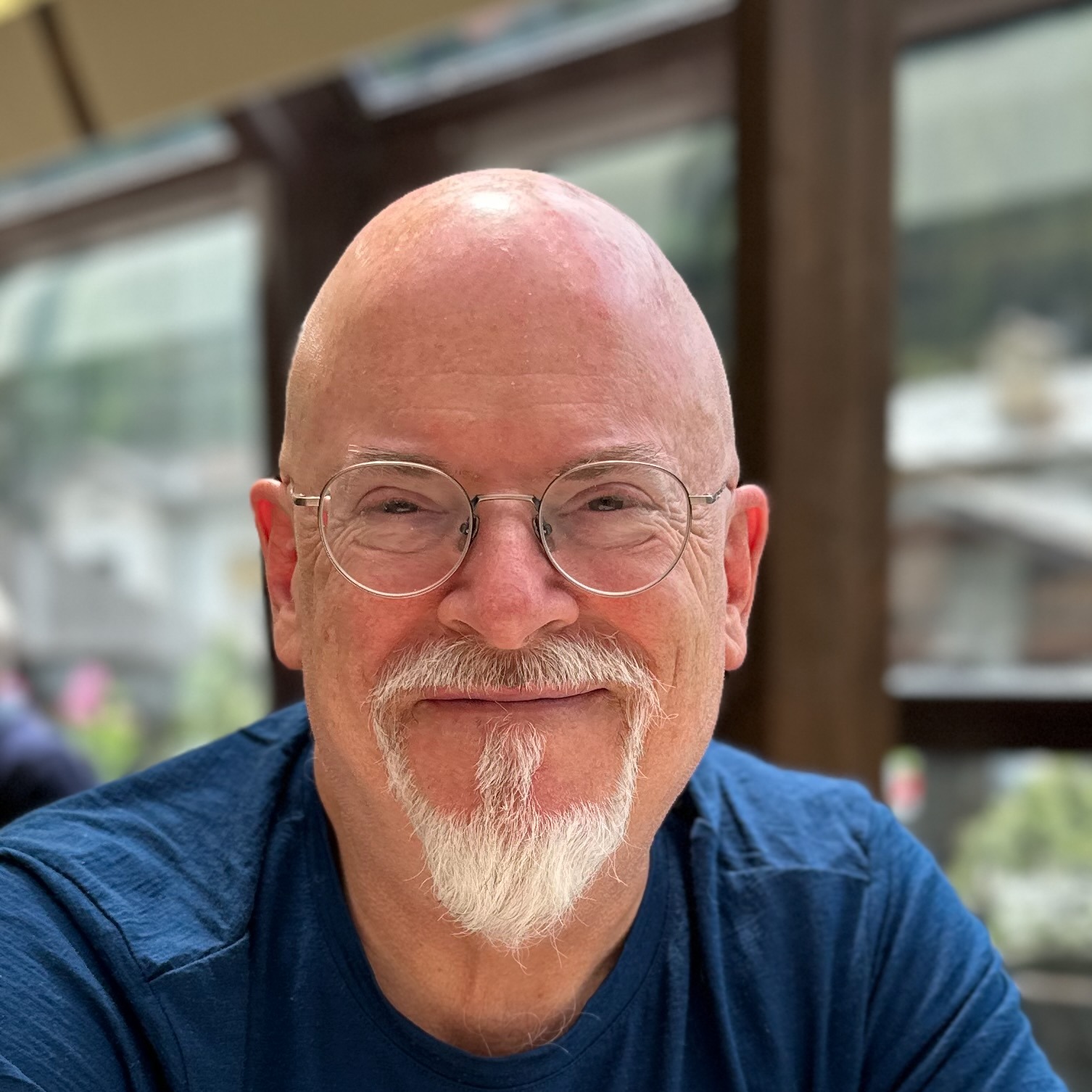
Dave Schoof
Dave Schoof spent 19 years in US counterintelligence before becoming an executive coach and leadership consultant.He has worked globally for over 30 years with leaders of the 500 largest U.S. companies by revenue and served on certification panels at international coaching schools. His work draws on the Unfoldment paradigm — that asks not "what's wrong?" but "what's trying to emerge?" — and brings it into direct contact with the metacrisis. (What he develops in the people he works with isn't a better map. It's the capacity to navigate when there isn't one.) Dave is a long-time practitioner and student of deep and expanded states of consciousness: a meditator, retreat leader, and certified psychedelic integration coach. He hosts The Pivot podcast and lives near Lausanne, Switzerland.
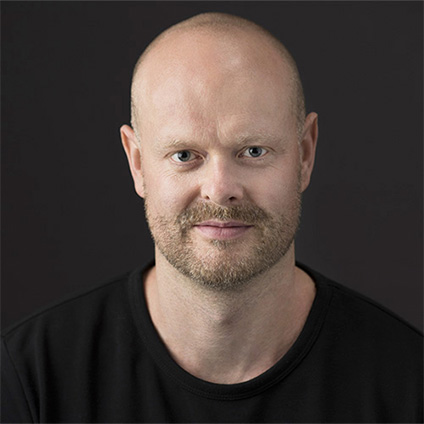
Joel Monk
Joel Monk is a leadership coach, educator and entrepreneur. He co-founded Coaches Rising, a company on the cutting edge of online coach training with a community of over 65,000 coaches. Coaches Rising programs regularly include participants from every continent on the planet and they have collaborated with some of the leading minds in the field of human development and coaching. Joel is also a leadership coach, coaching at companies such as THNK, Booking.com, Siemens and Naspers. Joel has designed and led several entrepreneurial and leadership development programs, at places such as Socionext, THNK and The Impact Hub Amsterdam.